
The headline was enough to send a shiver through every CISO’s office: A finance worker at a multinational firm in Hong Kong was tricked into paying out $25 million after attending a video call with what he thought was the company’s CFO and several other staff members. In reality, every other “person” on that call, their faces, their voices, their mannerisms, was a deepfake.
We have officially entered the era of Social Engineering 3.0. The days of spotting “poor grammar” or “suspicious sender addresses” are fading. Today, attackers are using high-compute Generative AI to clone identities in real-time, effectively rendering the traditional “Human Perimeter” obsolete.
At Ambsan Tech, we believe the solution isn’t just “more training,” but a fundamental shift in infrastructure.
The Vulnerability: Why “Standard” Security is Failing
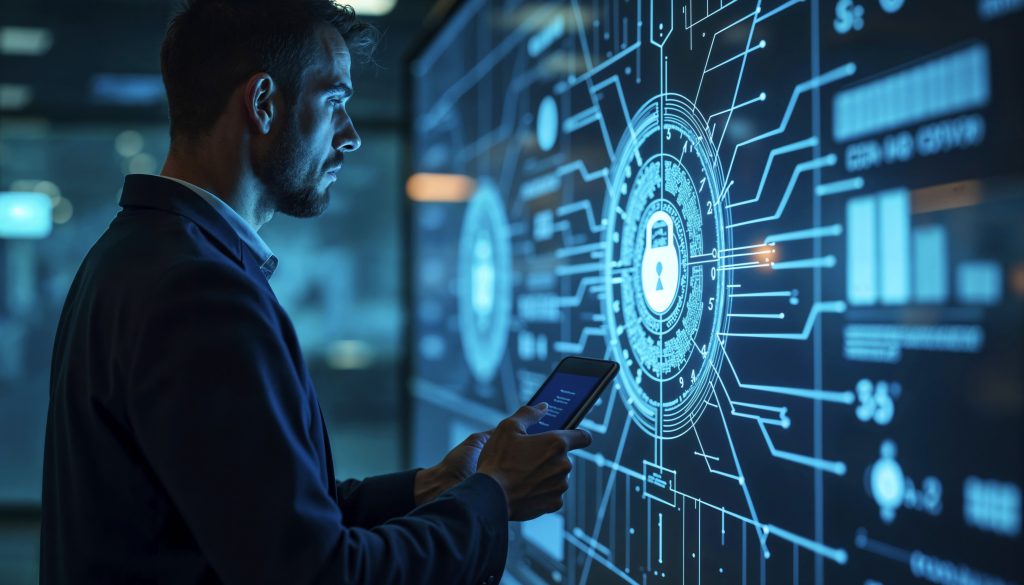
For a decade, Multi-Factor Authentication (MFA) was the gold standard. However, Social Engineering 3.0 exploits the specific ways humans interact with these security layers.
1. The Fall of Legacy MFA (SMS & Push)
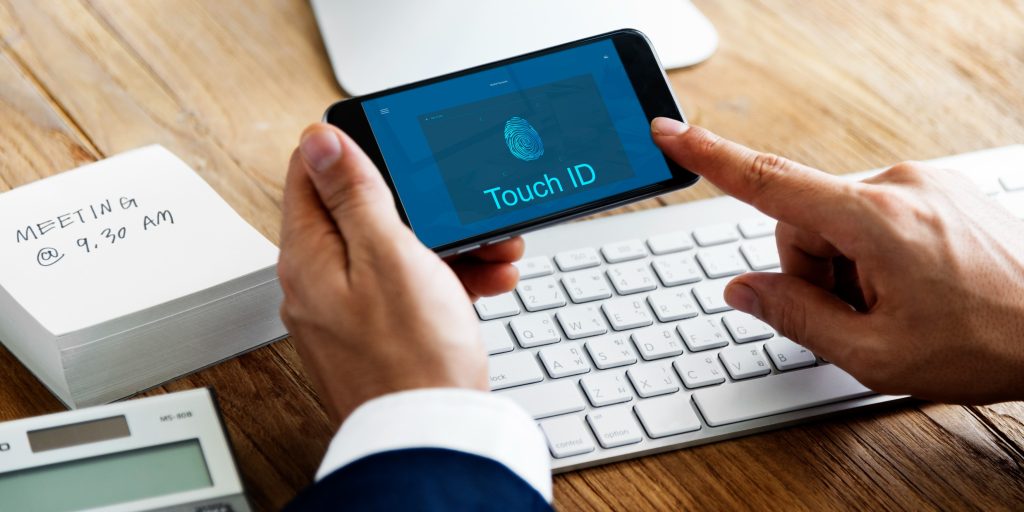
Traditional MFA relies on a “secret” being sent to a device. Deepfake-led attacks bypass this through MFA Fatigue. An attacker, using a perfect voice clone of a system administrator, calls an employee: “We’re seeing a glitch on your account. I’m going to send a few test pings, just hit ‘Approve’ so we can clear the cache.” Because the voice is identical to a trusted colleague, the employee complies.
2. Adversary-in-the-Middle (AiTM) Phishing
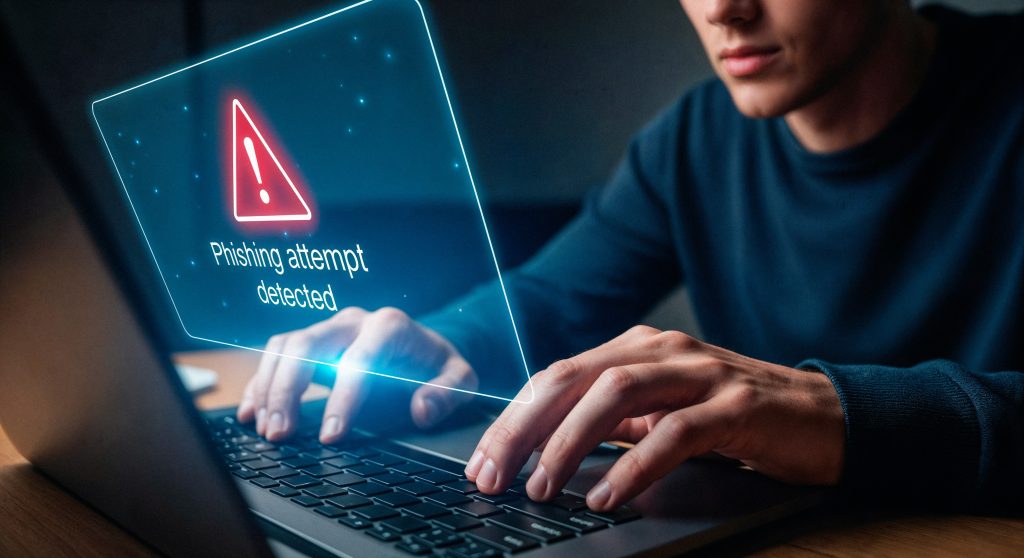
Modern phishing kits now act as a transparent proxy. When a deepfake convinces a user to visit a spoofed login portal, the attacker captures the session cookie in real-time. This allows the attacker to bypass the MFA prompt entirely, entering the network as a fully authenticated, “trusted” user.
3. The Authority Bias in Real-Time Video

Psychologically, we are wired to trust what we see and hear. When a “CEO” joins a Microsoft Teams or Zoom call and requests an emergency data export or a credential bypass due to an “on-site crisis,” the social pressure is immense. Standard protocols are often ignored in favor of following the perceived “executive’s” orders.
The Ambsan Strategy: Architecting the Zero-Trust Response
Since we can no longer trust “Identity” based on sight or sound, we must move to an architecture that Never Trusts and Always Verifies.
I. Implementing Phishing-Resistant MFA
To combat Social Engineering 3.0, Ambsan Tech assists organizations in transitioning to FIDO2-based authentication.
- How it works: Unlike a 6-digit code or a push notification, FIDO2 (using hardware keys or platform authenticators) uses public-key cryptography.
- The Benefit: The credential is cryptographically bound to the legitimate domain. If a deepfake directs a user to a spoofed site, the hardware key simply won’t authenticate, because it “knows” the site is an impostor, even if the human doesn’t.
II. Advanced VAPT: Testing the Social Fabric
Standard Vulnerability Assessment and Penetration Testing (VAPT) often stops at software patches. At Ambsan Tech, we believe your VAPT must be holistic.
- Simulated Social Engineering: We conduct controlled deepfake simulations to see how your internal processes hold up.
- Process Auditing: We identify “single points of failure” in your business logic. If one person can authorize a $1 million transfer based on a video call, your process, not just your software, is vulnerable.
III. Identity-First Micro-segmentation
In a Zero-Trust framework, a “compromised identity” should not lead to a “compromised network.” Ambsan Tech specializes in Cloud Infrastructure Hardening through micro-segmentation.
- The “Blast Radius” Control: We segment your network so that an account has access only to the specific resources required for their role. If an attacker successfully impersonates an executive, they are “trapped” within a restricted segment, unable to move laterally toward sensitive databases or intellectual property.
Frequently Asked Questions (FAQs)
1. Can deepfakes be detected by standard security software?
No. Deepfakes are a social engineering tool, not a virus. They are used to manipulate humans into making mistakes. Defense requires a mix of process-driven security and hardware-based identity verification.
2. What is the most effective “low-tech” defense against deepfakes?
Establish a “Challenge-Response” protocol for high-stakes actions. If an executive makes an unusual request via video, the employee should use a secondary, pre-arranged channel (like an internal encrypted chat) to verify the request.
3. Is Zero-Trust expensive for a mid-market firm to implement?
Zero-Trust is a strategy, not a single product. It can be implemented in phases, starting with your most critical assets. Ambsan Tech works with firms to prioritize high-risk areas first, ensuring a high ROI on security spending.
4. How does VAPT help with AI-driven threats?
VAPT identifies the “gaps” an AI attacker would exploit. For example, if your VPN has a known vulnerability or your MFA is poorly configured, a deepfake attacker will use those to gain a foothold. We close the doors before they can walk through them.
5. Are deepfakes only a threat to big corporations?
No. Smaller firms are often targeted because they typically have weaker identity controls and more informal communication styles, making them “easier” targets for a $50k or $100k fraud attempt.
External Resources & Technical Reading
Build Your Fortress with Ambsan Tech
The threat landscape of 2026 demands more than just a firewall; it demands an architecture that is resilient to human error and AI manipulation. Ambsan Technologies provides the deep, tech expertise needed to harden your infrastructure, from comprehensive VAPT audits to tailored Cloud Security configurations.
Don’t let your identity be your weakest link.
Contact Ambsan Tech Today for a Zero-Trust Readiness Assessment