In today’s threat landscape, cybersecurity is no longer about deploying a single tool, it’s about building a strategic, integrated cybersecurity stack that protects your entire digital ecosystem.
Yet, many businesses make a critical mistake:
they either overinvest in tools they don’t need or underinvest in the layers that actually matter.
The result?
A fragmented security posture that looks strong on paper, but fails in real-world attacks.
At Ambsan Technologies, we often see organizations struggling not because they lack tools, but because they lack the right strategy behind those tools.
In this guide, we’ll break down exactly how to choose the right cybersecurity stack for your business, based on your size, risk profile, and operational maturity.
What Is a Cybersecurity Stack?
A cybersecurity stack refers to the combination of tools, technologies, and processes used to protect an organization’s systems, data, and users.
Modern security is no longer tool-based, it’s layered and interconnected.
A typical stack includes:
- Network security (firewalls, IDS/IPS)
- Endpoint protection (EDR/XDR)
- Monitoring & analytics (SIEM)
- Automation & response (SOAR)
- Threat intelligence
- Vulnerability management
Learn more about foundational cybersecurity concepts from National Institute of Standards and Technology (NIST Cybersecurity Framework).
Why Choosing the Right Cyber Stack Matters

Cyber threats are evolving faster than ever. According to Cybersecurity Ventures, global cybercrime damages are expected to reach trillions annually, making cybersecurity a business-critical investment.
But here’s the truth:
More tools ≠ better security
An effective cybersecurity stack is not about quantity, it’s about:
- Integration
- Visibility
- Response speed
- Operational efficiency
Organizations that fail to align their stack with their needs often face:
- Alert fatigue
- Tool overlap and wasted budget
- Slow incident response
- Hidden security gaps
Step 1: Understand Your Business Risk Profile
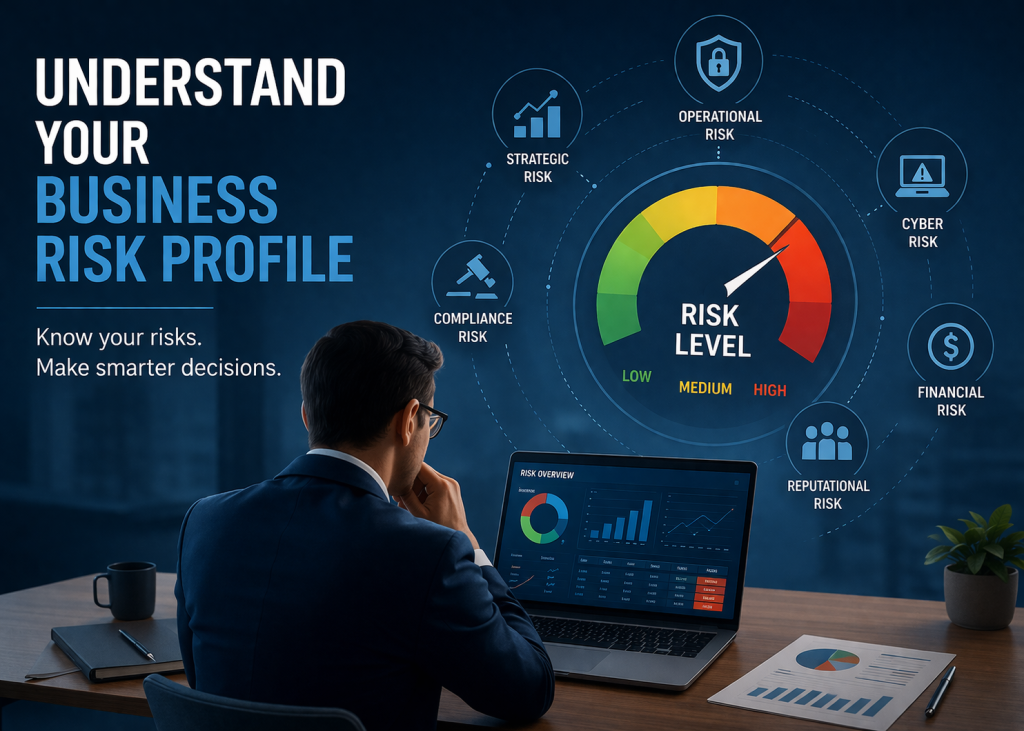
Before choosing tools, you need clarity on:
Key Questions:
- What data do you handle? (financial, healthcare, intellectual property)
- What are your compliance requirements?
- What’s your attack surface? (cloud, remote workforce, APIs)
- What is your risk tolerance?
For example:
- A fintech company requires strong identity and fraud protection
- A SaaS company needs API + cloud security
- An enterprise requires full SOC visibility and automation
Your cybersecurity stack should always be risk-driven, not trend-driven
Step 2: Start with Core Security Layers
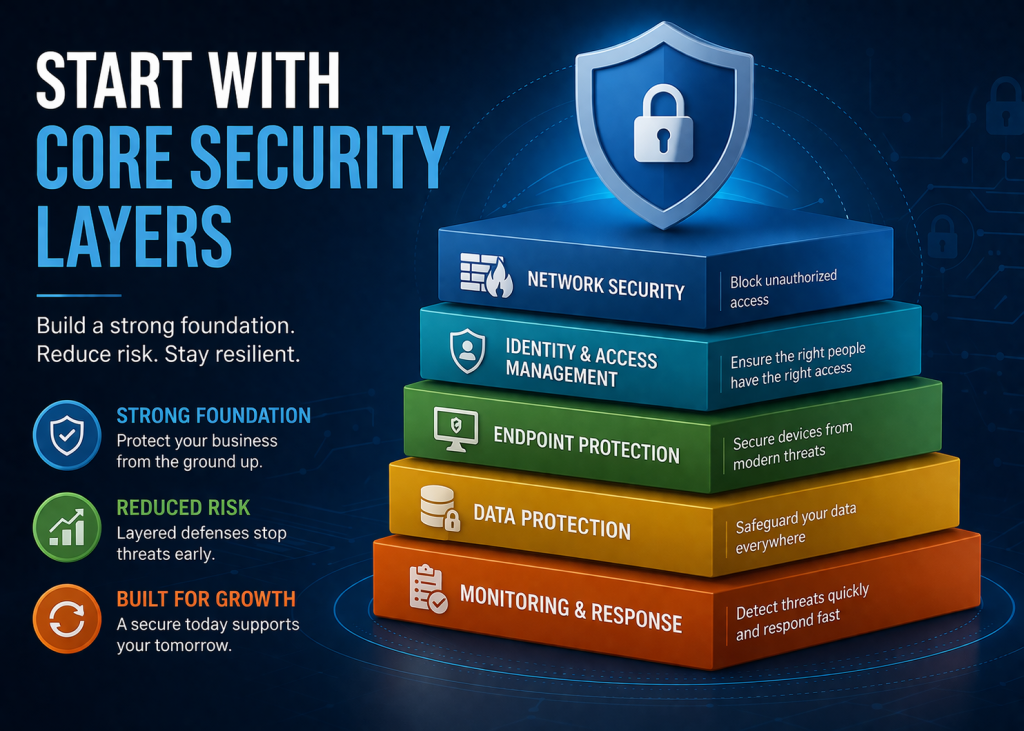
Every business, regardless of size, needs a foundational security stack.
1. Network Security (First Line of Defense)
Includes:
- Firewalls (NGFW)
- Intrusion Detection/Prevention Systems (IDS/IPS)
- Web Application Firewalls (WAF)
These tools protect against unauthorized access and malicious traffic.
2. Endpoint Security (EDR/XDR)
Endpoints are the most common attack entry point.
EDR tools:
- Monitor endpoint behavior
- Detect suspicious activity
- Isolate infected devices
External reference: Learn about endpoint protection from SANS Institute.
3. SIEM (Security Information and Event Management)
Think of SIEM as the central nervous system of your cybersecurity stack.
It:
- Aggregates logs from all systems
- Correlates events
- Detects threats in real time
- Supports compliance reporting
Step 3: Add Advanced Capabilities as You Scale
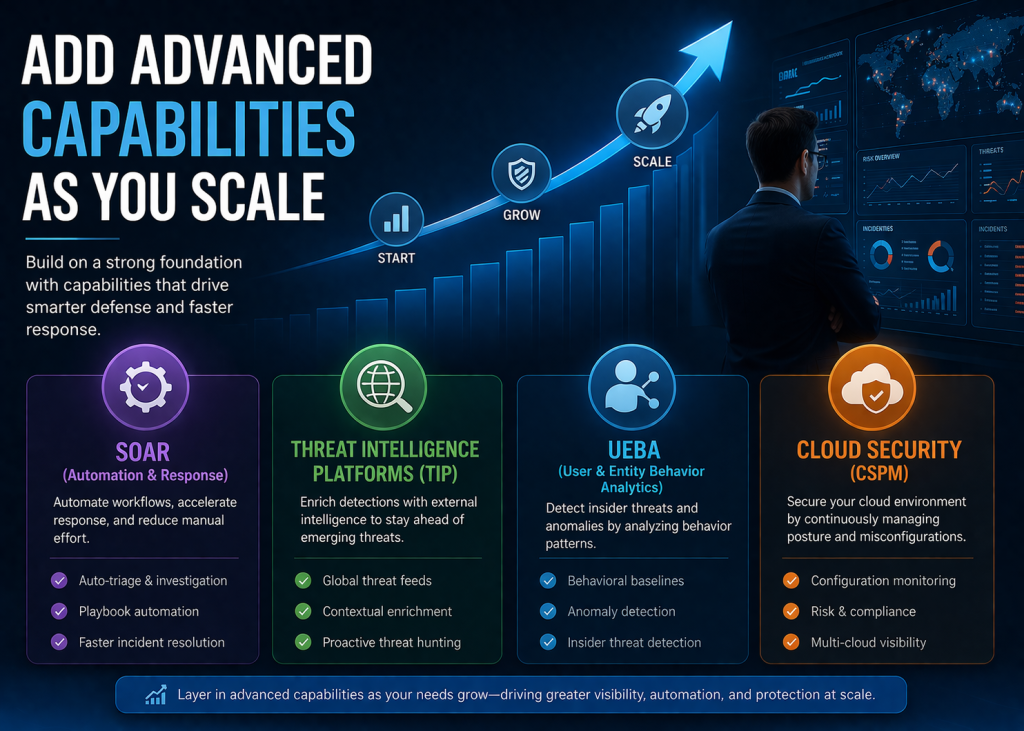
Once your foundation is strong, you can add advanced layers.
🔁 SOAR (Automation & Response)
- Automates incident response workflows
- Reduces manual effort
- Speeds up threat containment
🧠 Threat Intelligence Platforms (TIP)
- Provide real-time insights into emerging threats
- Help predict and prevent attacks
👤 UEBA (User & Entity Behavior Analytics)
- Detect insider threats
- Identify unusual user behavior using AI
☁️ Cloud Security (CSPM)
Essential for cloud-driven businesses:
- Detects misconfigurations
- Prevents cloud-based breaches
Step 4: Focus on Integration, Not Just Tools
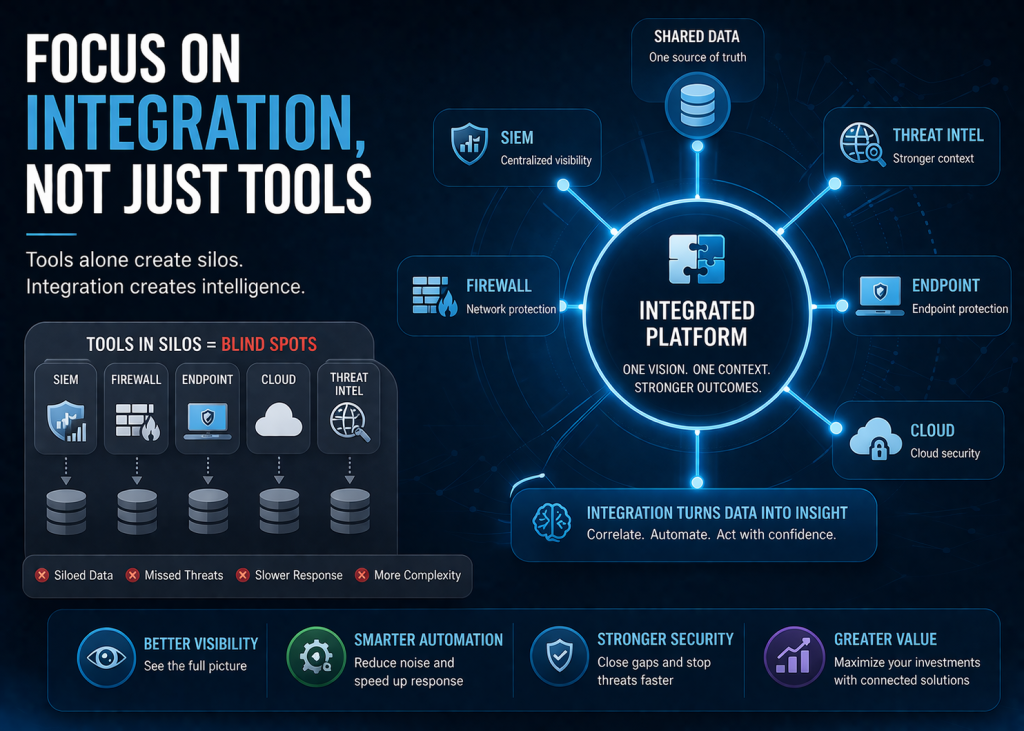
One of the biggest cybersecurity mistakes is building a tool-heavy but disconnected stack.
Modern cybersecurity works best as an ecosystem, not isolated tools.
Your tools should talk to each other.
Integration enables:
- Faster threat detection
- Better context across systems
- Automated response workflows
Step 5: Align with Your Security Maturity
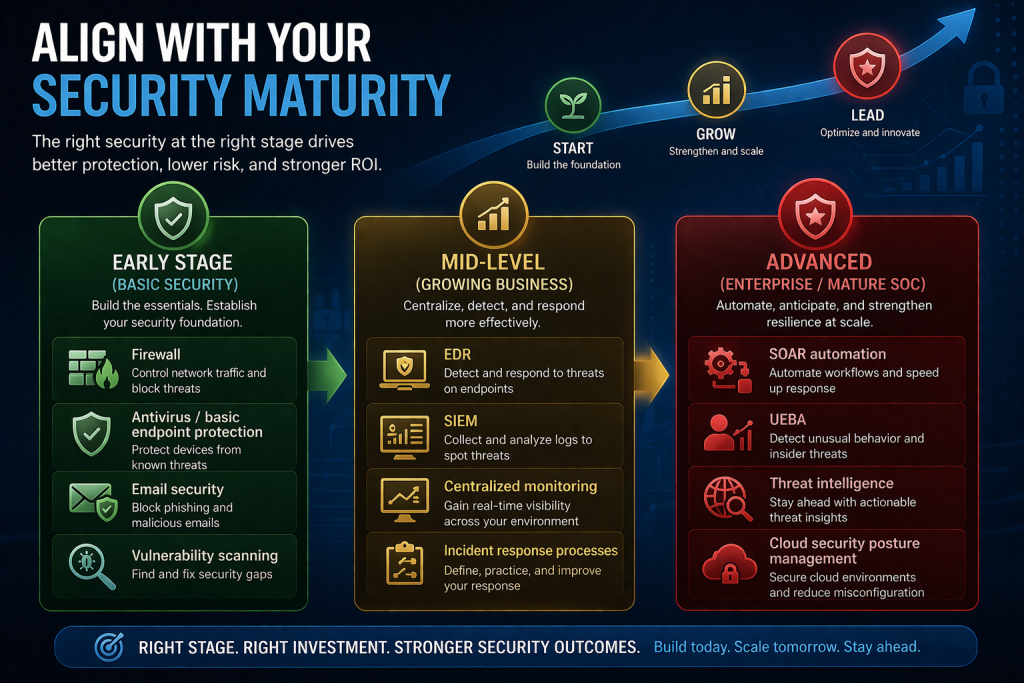
Your cybersecurity stack should evolve as your business grows.
Early Stage (Basic Security)
- Firewall
- Antivirus / basic endpoint protection
- Email security
- Vulnerability scanning
Mid-Level (Growing Business)
- EDR
- SIEM
- Centralized monitoring
- Incident response processes
Advanced (Enterprise / Mature SOC)
- SOAR automation
- UEBA
- Threat intelligence
- Cloud security posture management
Build incrementally, don’t overengineer from day one.
Step 6: Avoid Common Mistakes
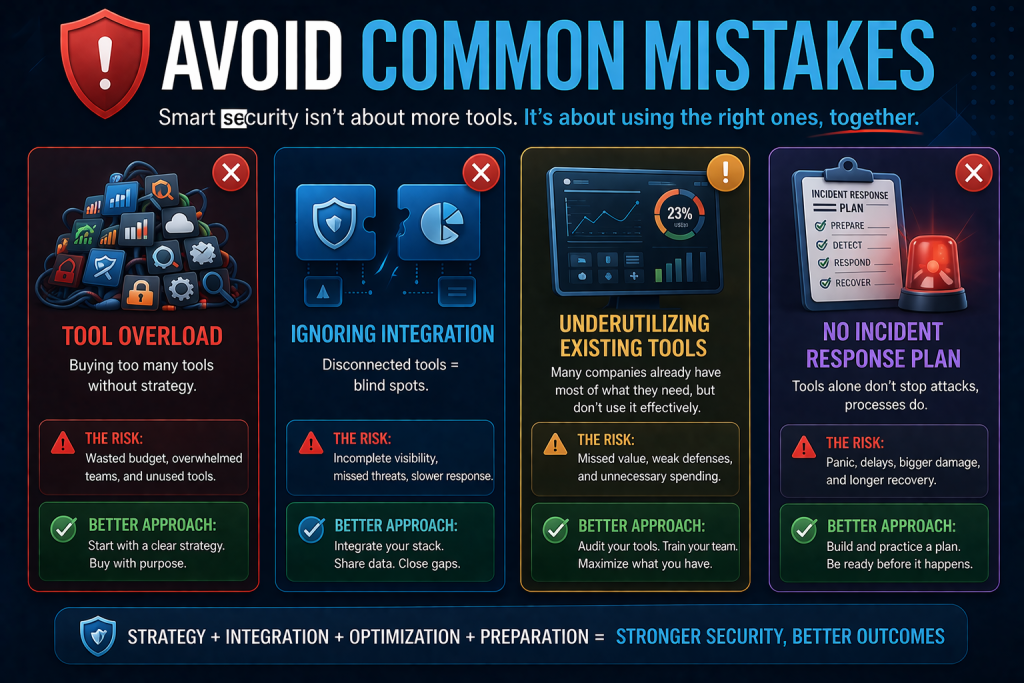
Tool Overload
Buying too many tools without strategy
Ignoring Integration
Disconnected tools = blind spots
Underutilizing Existing Tools
Many companies already have most of what they need, but don’t use it effectively
No Incident Response Plan
Tools alone don’t stop attacks, processes do
Step 7: Consider Managed Security (If Needed)
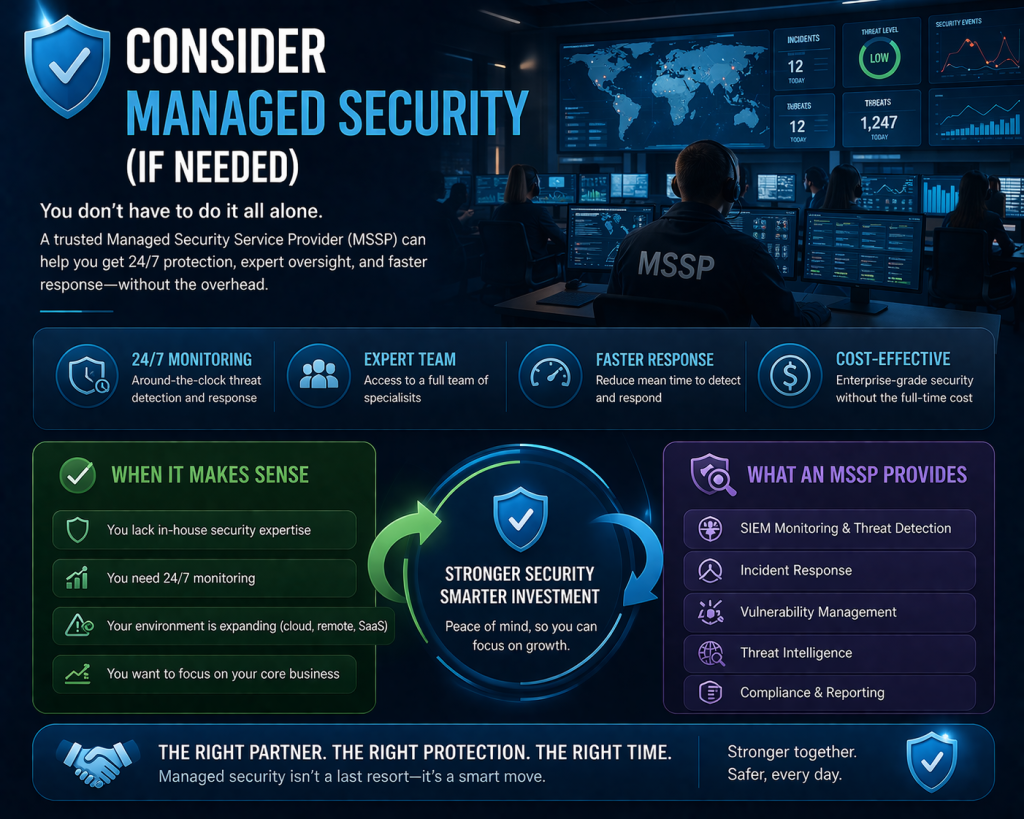
Not every business can build an in-house SOC.
That’s where:
- Managed Detection & Response (MDR)
- SOC-as-a-Service
come in.
They provide:
- 24/7 monitoring
- Expert threat analysis
- Faster incident response
This is often the most cost-effective approach for growing businesses
The Future: Integrated & AI-Driven Security
The cybersecurity stack is evolving toward:
- XDR (Extended Detection & Response)
- AI-driven threat detection
- Automated response systems
- Unified security platforms
The goal is simple:
From reactive security → to predictive security
Final Thoughts
Choosing the right cybersecurity stack isn’t about chasing the latest tools, it’s about building a cohesive, scalable, and risk-aligned security ecosystem.
The most effective stacks share three traits:
✔ Strong foundational layers
✔ Seamless integration
✔ Continuous optimization
Ready to Build the Right Cybersecurity Stack?
At Ambsan Technologies, we don’t just recommend tools, we design end-to-end cybersecurity strategies tailored to your business.
Whether you’re:
- Building your security from scratch
- Struggling with too many disconnected tools
- Or looking to upgrade to a modern SOC
Our experts will help you assess, design, implement, and optimize your cybersecurity stack.
Get Started Today
Visit www.ambsan.com or connect with our team to schedule a free security consultation.
Because real security isn’t about more tools, it’s about the right ones, working together.
FAQs
1. What is included in a cybersecurity stack?
A cybersecurity stack includes tools like firewalls, EDR, SIEM, SOAR, and threat intelligence platforms.
2. What is the most important cybersecurity tool?
There is no single tool, security depends on a layered approach, with SIEM and EDR being foundational.
3. How do I choose the right cybersecurity stack?
Start by assessing your risk, then align tools with your business size and security maturity.
4. What is the difference between SIEM and SOAR?
SIEM detects and analyzes threats, while SOAR automates response actions.
5. Do small businesses need a cybersecurity stack?
Yes, even basic layers like firewall and endpoint protection are essential.